Exercise is essential for our wellbeing.
Author: Jay Patten
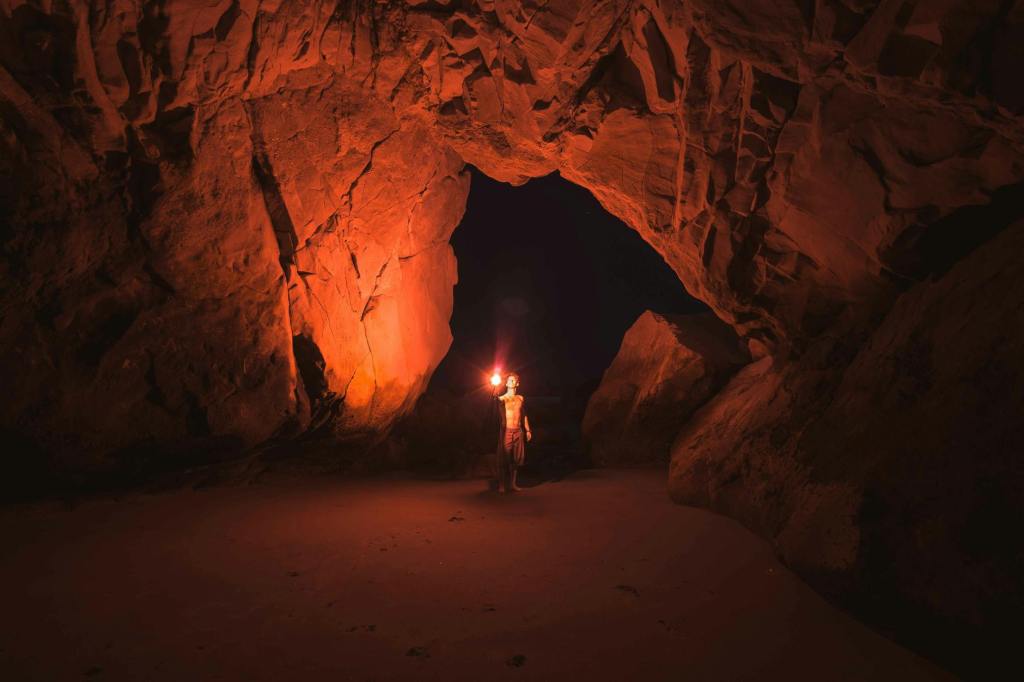
Humanity has come a long way in a short span of time.
Introduction
A worrying amount of us don’t get enough exercise.
“31% of adults and 80% of adolescents do not meet the recommended levels of physical activity.”
– World Health Organisation.
According to WHO, we should aim to exercise at least 150 minutes a week. That’s from walking, running, cycling, playing sports and other physical activities.
Without exercise, our risks for major diseases and mental illnesses increase significantly. These conditions can combine to cause more suffering later in life.
Exercise can provide health benefits for your entire body:

But why are we built this way? Why is sitting still for too long so bad for our health?
The answer can be found by looking at the origin of humanity.
Who are we?
Our genus, Homo, is about 2.5 million years old. These are all the species that are closely related to us, including our extinct cousins, the Neanderthals. Modern humans, Homo sapiens, appeared around 500,000 – 1 million years ago. In this short span of time, we’ve discovered how to make fire, farm or own food and build sprawling cities. That’s insanely quick advancement on the universe’s timescale: Earth has only been around for roughly 4.6 billion years – we’ve only been here a split second!
Our ancestors, the earliest Homo sapiens, used to live a nomadic life as hunter-gatherers. Back then, we would migrate with the seasons to follow ideal conditions, plant growth and prey. We lived in small groups and only knew our immediate neighbours. Being subject to the whims of natural forces and predators, we relied on our intelligence to overcome challenges. Life was tough, but it was fulfilling. We naturally got the exercise and mental stimulation we needed from simply trying to survive.
The need for us to move is baked into our DNA. It takes millions of years for a species to adapt to new conditions. Civilisation has only been around for a few thousand. That’s not enough time for our bodies or minds to adapt to modern life.
How did we get to modern civilisation?
Our species began to farm and form permanent settlements around 12,000 years ago. We domesticated plants such as wheat from wild grasses for a reliable food source. Since we had to stay put to protect our crops, we built villages. We selectively bred animals like sheep and cattle to be friendlier and more productive. Horses and camels allowed us to connect up vast trade networks. With multiple reliable food sources, we no longer had to trek for miles to eat and could live in larger numbers.
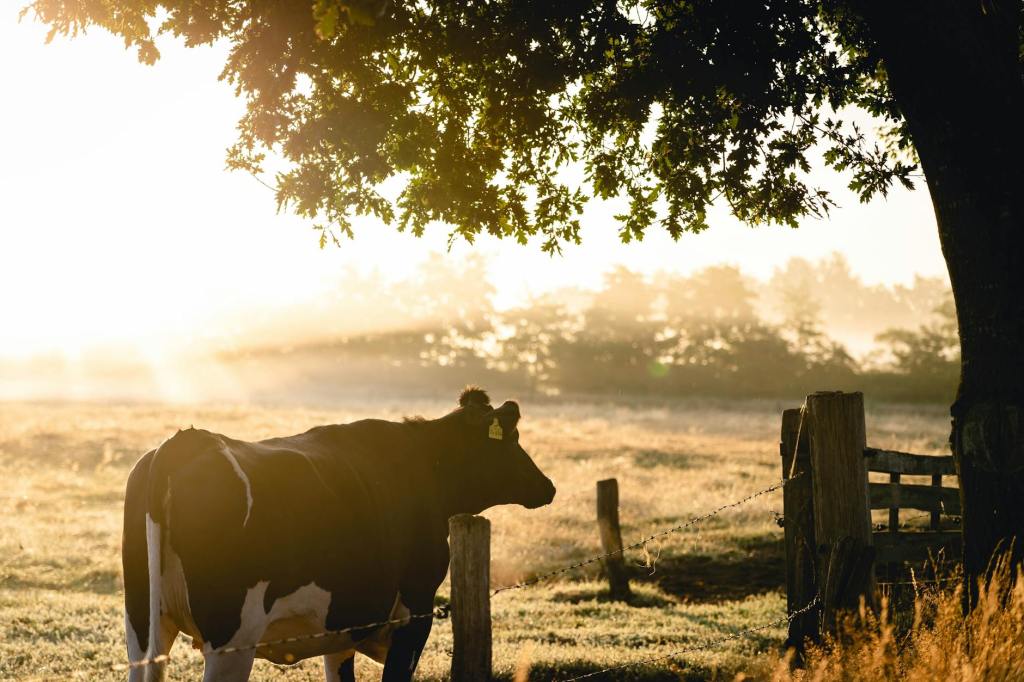
Domestication is breeding a species over time for desirable traits. The majority of our food comes from domesticated species of plants and animals.
Building settlements also meant stockpiling resources, dividing up labour and specialising in different trades. Trade networks allowed us to share goods and knowledge with distant civilisations. It was easier than ever to teach each other new skills. Disease could spread easier, now that we were packed together, but we shared medical knowledge to cope. There was time to invent new technology and make life even easier. Perhaps a bit too easy in some aspects.
The invention of the wheel later lead to horse drawn carriages, then cars. The invention of electricity eventually lead to the creation of household appliances to make daily chores less of a hassle. Phones and computers connected us globally and expanded our world views.
Society has evolved rapidly, but our brains and bodies haven’t caught up with it. Too much convenience has lead to us forgetting to meet the needs of our primitive bodies.
What can we do to meet our bodies’ needs?
The most essential things we need to stay healthy are:
- A balanced diet
- Proper hydration
- Plenty of exercise
- Quality sleep
- Connection with other people
However, exercise is one of the best places to start when improving your life because it can trigger a positive domino effect.
Exercising can give us a break from our work and the online world, as well as providing many health benefits described above. For exercise to be effective, it’s best to keep technology use to a minimum. A small break from TV or social media won’t hurt.
Start somewhere simple, like a short 10 – 15 minute walk around your local park on a regular basis. Treat it like an important meeting, only cancelling it when weather conditions are terrible or unsafe. Dress appropriately for the weather. Bring family or friends with you if you’d like some company.

Frequenting green spaces can help you tune into nature and enjoy seasonal changes.
Try to avoid looking at your phone, only using it for music or to take photos of anything you find interesting. Pay attention to the weather, plants, animals and buildings. See if you can spot anything you’ve never noticed before. Listen to your surroundings too; turn off your music once in a while. Literally stop to smell the flowers! By focusing closely on your surroundings, you can distract yourself from technology or work and decompress.
The more often you take up distraction-free exercise, the more grounded you feel. And to feel grounded is what our default state should be. Our ancestors were always living in the moment.
You’ll begin to recognise your body signals and emotions better, and gain self-control. You’ll realise: yes, you do love to watch your favourite show. But after two episodes in a row, you could do with a break! This willpower will grow stronger with time and you’ll be able to gradually change other habits over time.
These could be habits such as:
- Eating healthier.
- Fixing your sleep schedule.
- Improving your relationships.
- Limiting screen time.
- Spending more time on your hobbies and skills.
- Quitting smoking or vaping.
- Reducing alcohol consumption.
Remember that changing habits take time. Start small, and don’t expect to be perfect. And always replace these habits with something new, otherwise you’ll go back to your old ways!
Stay safe!
Always take a sensible approach to exercise and know your limits.
- Your body may be resistant to the extra effort at first, so learn to endure a bit of discomfort. If you feel you’re at risk of injuring yourself, it’s okay to back off. Always listen to your body.
- Make sure to exercise in areas you know are safe, and tell family and friends if you’re going somewhere on your own.
- If you have a disability or medical condition, make sure to take your additional needs into account! Talk to your GP on how you can adapt to a healthier lifestyle. Ask them for advice on safe exercises and diets suited to your body. Find ways to connect with the world that’s safe for you, and bring someone along with you for support if needed.
Conclusion
We need to exercise because our bodies and minds are still living in The Stone Age. Our ancestors were nomadic hunter gatherers, but we now live in permanent settlements surrounded by convenience. We can get the exercise we need from gradually introducing activity into our lives.
By slowly introducing exercise to your life, it will become more aligned with the lives of our ancestors. You’ll feel more awake and alive than you did before, and hopefully find a new sense of appreciation for the world we live in!
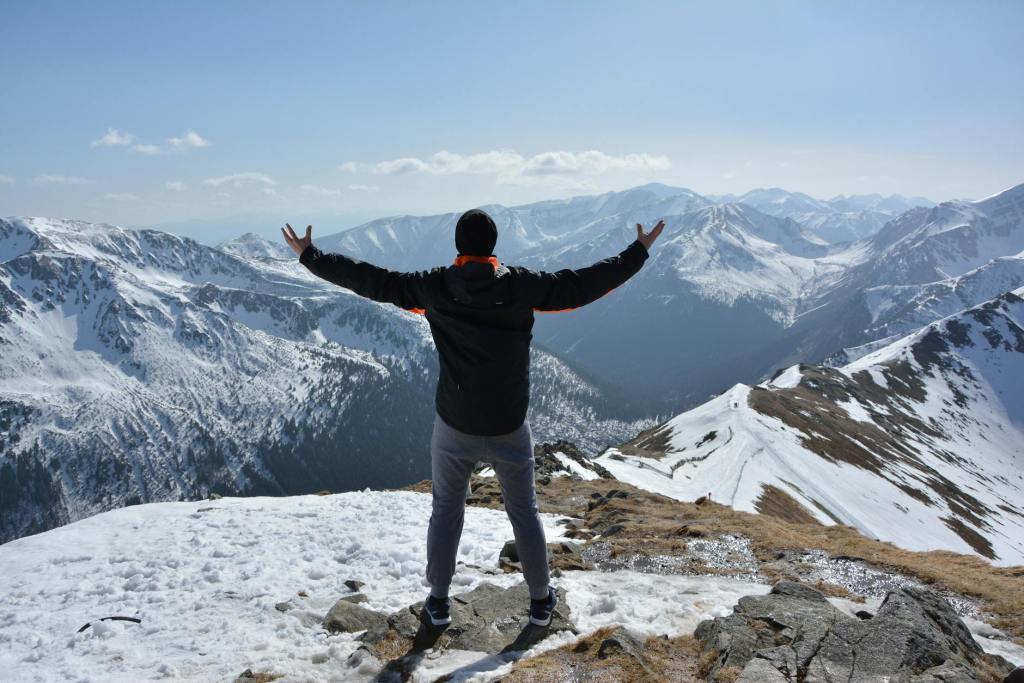
Looking for support on your fitness journey? Don’t hesitate to book a session with Errol Patten!
Sources:
- https://www.who.int/news-room/fact-sheets/detail/physical-activity
- https://www.nhs.uk/live-well/exercise/exercise-health-benefits/
- https://www.cdc.gov/physical-activity-basics/health-benefits/adults.htm
- https://www.nhm.ac.uk/discover/modern-humans-homo-sapiens-when-where-how-did-we-evolve.html
- https://education.nationalgeographic.org/resource/development-agriculture/
Thank you to the photographers and Pexels.com for the lovely photos!
 Errol Patten PT