You don’t need a gym to get fit!
Authors: Jay Patten and Errol Patten.
Introduction
Not all of us can afford to go to the gym. A lot of us are very busy too. So how can we squeeze in a workout?
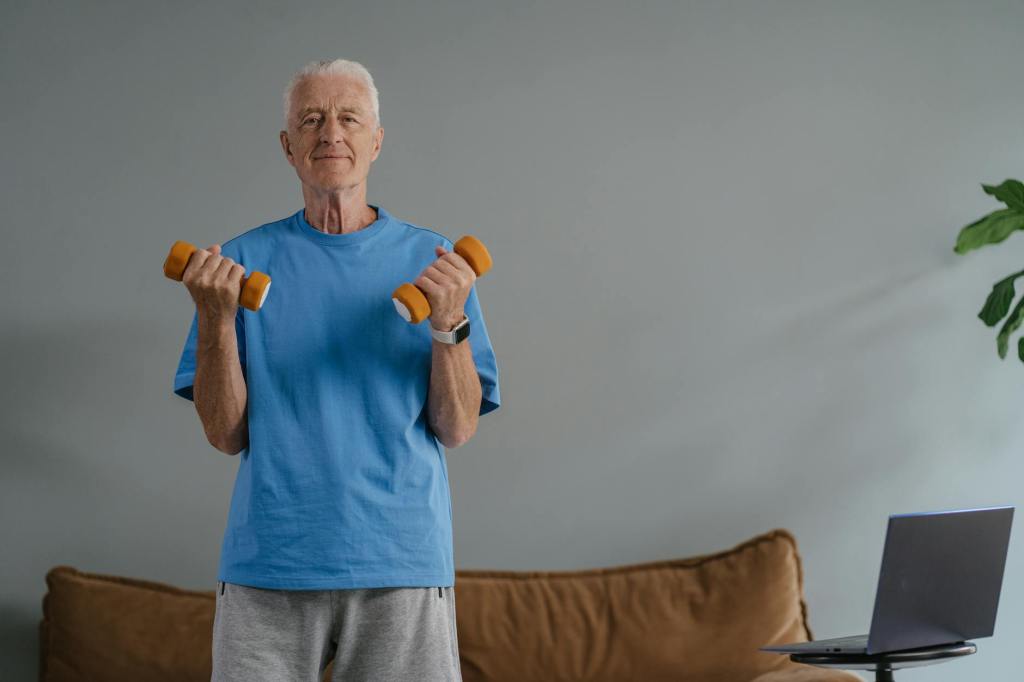
You don’t need to do hours in the gym to make a difference. If you set aside 5-10 minutes a day or find yourself with some free time, a mini workout at home is a great idea!
The exercises I recommend in order of importance:
- Squats
- Dead lifts
- Step ups
- Wall push ups
- Rows
- Shoulder presses
- Twists
- Curl ups
You won’t be able to do all of these in under 10 minutes. Pick 3 or 4 from the list. Make sure to mix things up often, we need to challenge our bodies to make progress.
If you’re new to a certain type of exercise, always start with low reps and weights, and never sacrifice good form! We want to avoid injuring ourselves at all costs. You can gradually make things harder once a particular exercise starts to feel easier.
1. Squats
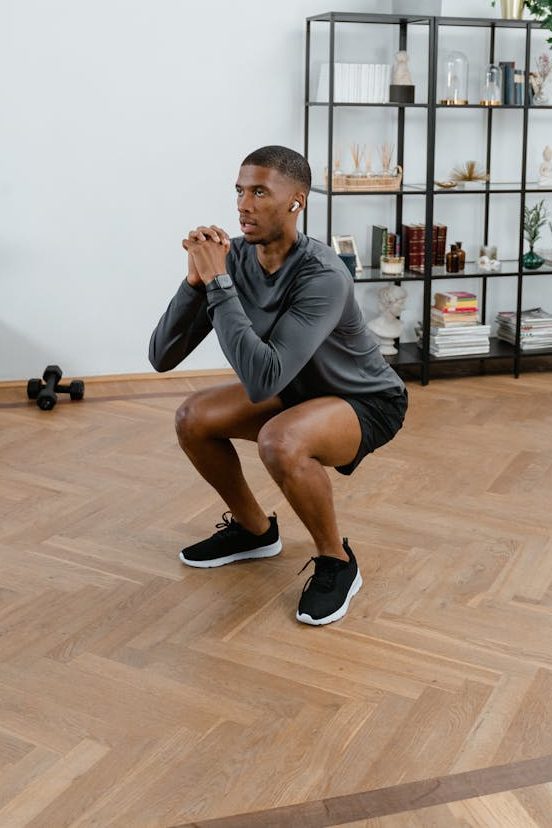
This movement is incredibly useful in everyday life. It allows you to reach things on the floor without straining your back. When outside, you can squat to work at ground level without getting your clothes dirty. You can also quickly return to standing without having to place your hands on the floor. It’s perfect for interacting with young family members!
Deep squats with your feet flat on the floor are a natural resting position, but a lot of us aren’t flexible enough to rest this way. This is something we can work towards!
Benefits:
- Functional exercise – helps you in everyday life.
- Strengthens your leg muscles.
- Improves your balance and coordination.
- Raises your metabolic rate.
- Helps with weight loss.
How to perform a squat:
- Stand with your feet a shoulder width apart.
- Hold your hands together or stick your arms out straight in front of you.
- Look straight ahead.
- Keep your back straight and relaxed.
- Gently lower yourself down. Find where your comfortable limit is.
- Stand back up in a controlled manner.
- Do this for 2 sets of 8 reps.
Swap out leaning down for squats instead, it’s much better for your back. Over time, you’ll be able to squat deeper and do more reps.
2. Deadlifts

Despite the ominous name, deadlifts aren’t anything to be afraid of. Your imagination probably jumped to a body builder lifting twice their own weight, but in reality, a deadlift doesn’t need to heavy at all. With a light weight such as a small kettlebell or a shopping bag, it still counts!
This exercise is good for teaching you to lift heavier objects properly to avoid straining your back.
Benefits:
- Functional exercise – helps you in everyday life.
- Full body exercise, particularly strengthens your leg and stomach muscles.
- Improves your balance and coordination.
- Raises your metabolic rate.
- Helps with weight loss.
How to perform a deadlift:
- Stand close to the object you’re lifting.
- Stand with your feet a shoulder width apart.
- Reach down and grab the object, letting your legs bend.
- Look straight ahead.
- Stand upright, keeping your arms straight. The object should reach hip height. Never use your back to lift, let your legs do the work.
- In a controlled manner, lower the object towards the ground, but don’t let it touch it. Keep bending your legs!
- Do this for 2 sets of 8 reps.
No matter what you’re lifting or when, don’t use your back like a hinge. Use the power of your legs – your back will be grateful! Eventually, you’ll be able to lift heavier weights or do more reps.
3. Step Ups
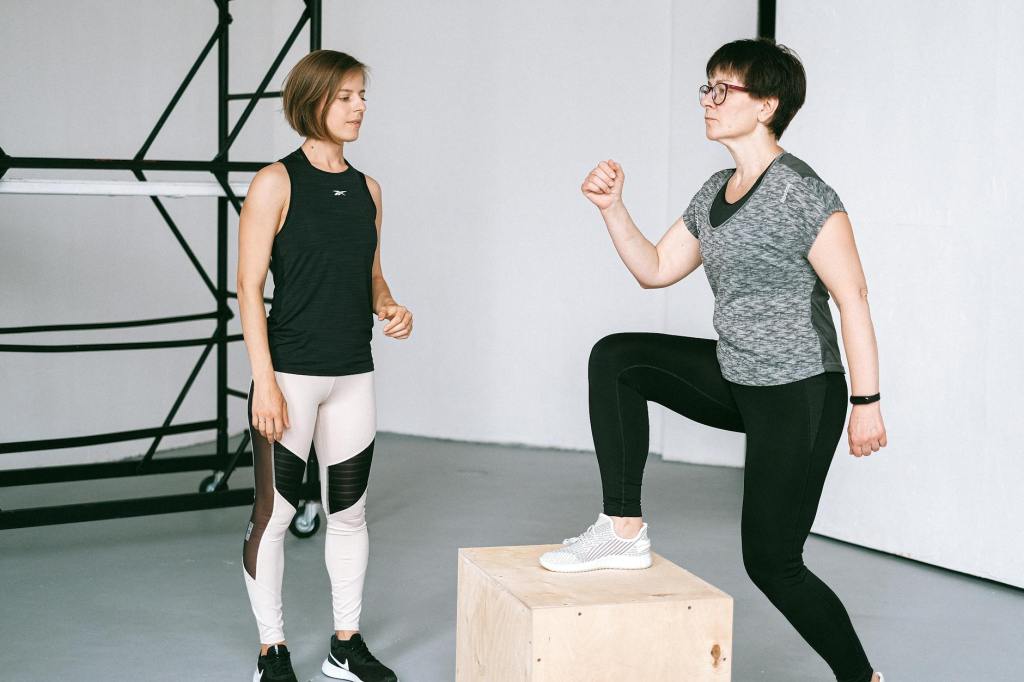
Unfortunately, stairs are everywhere. Not being able to climb them can be a major issue, especially if a working lift isn’t available. Step ups are useful for training your legs for unavoidable staircases and climbing onto buses.
Step ups are pretty much lunges with vertical movement. Use your stairs for this exercise. If you don’t have any stairs, find a stool or footrest. You could even use the curb outside!
Benefits:
- Functional exercise – helps you in everyday life.
- Strengthens your leg muscles.
- Improves your balance and coordination.
- Raises your metabolic rate.
- Helps with weight loss.
How to perform step ups:
- Check the object you intend to step on isn’t too tall for you, stable and will take your weight.
- With your dominant leg, step up onto it in a controlled manner, one foot after the other.
- Step off the object in reverse, leading with your dominant leg again. Control your descent and bend your knees to soften the impact.
- Do 8 reps, then swap to the other leg and do another 8 reps.
If you struggle with balance, hold your arms out to the side or have something you can lean on for support. This could be a handrail, wall or another solid object.
Try to take the stairs when presented a lift or escalator. Every bit of movement counts towards your health! Eventually, you’ll be able to climb up a flight of stairs without getting out of breath.
4. Wall Push Ups

This is the beginner version of a floor push up. Instead of lifting your entire body weight, you’re only lifting some. Gravity isn’t working against you as much. This works on your upper body strength.
Benefits:
- Strengthens your chest, triceps and shoulders.
- Improves your balance and coordination.
How to perform wall push ups:
- Find a blank section of wall with plenty of room around it.
- Hold your arms out straight and place your hands flat on the wall, in line with your shoulders.
- Check where your feet are; the further back your feet, the harder the exercise.
- Bend your arms and allow your chest to touch the wall.
- Push your body away from the wall.
- Do this for 2 sets of 8 reps.
Gradually, your chest and arms will get stronger. You’ll be able to do more reps or be able to move on to floor push ups.
5. Rows
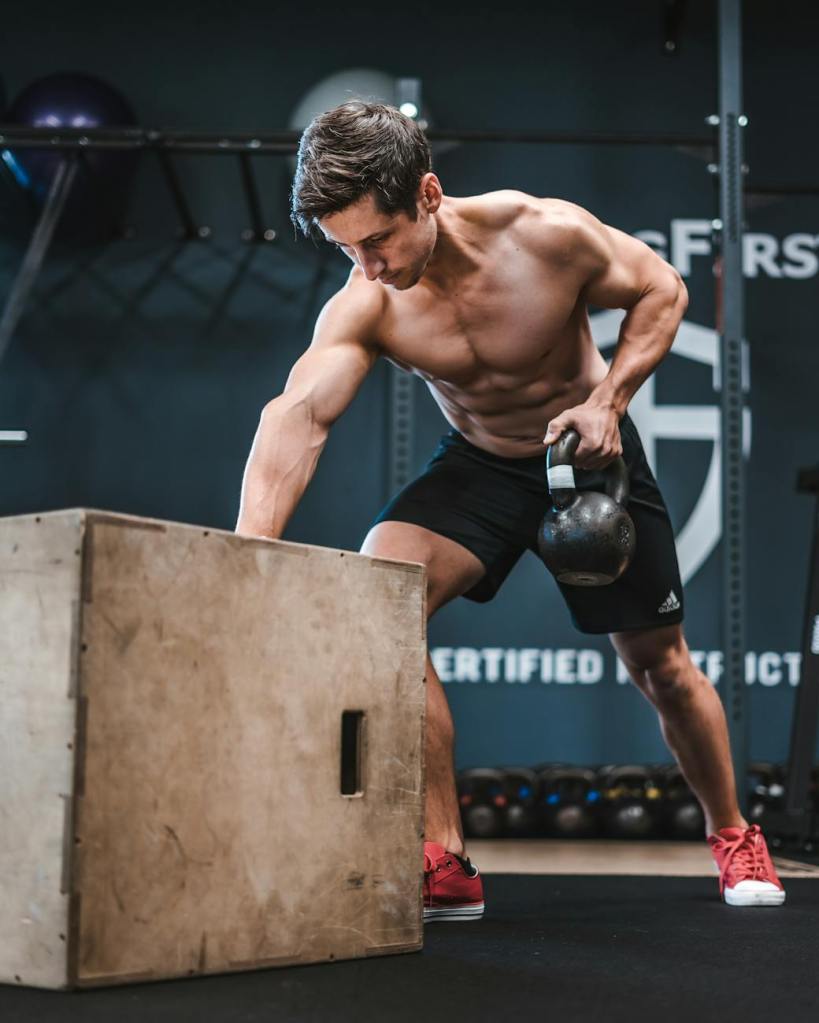
This is a simple arm exercise. It helps with lifting objects off the floor. Grab a kettlebell, dumbbell or even a can of soup! Any small object with weight will do.
Benefits:
- Strengthens your biceps, back muscles and stomach muscles.
- Improves balance and coordination.
How to perform rows:
- Find an object of a suitable weight that’s easy to hold in one hand.
- Find solid object that’s roughly knee level to lean on.
- Hold your chosen weight with your dominant hand and lean on the object, keeping your other arm straight.
- Pull the weight up to your chest in a straight line, keeping it close to your body. Be slow and controlled.
- Gently lower the weight back down.
- Do this for 8 reps, then switch to the other side and do another 8 reps.
After doing this exercise for a while, you’ll be able to do more reps or use heavier weights.
6. Shoulder Presses
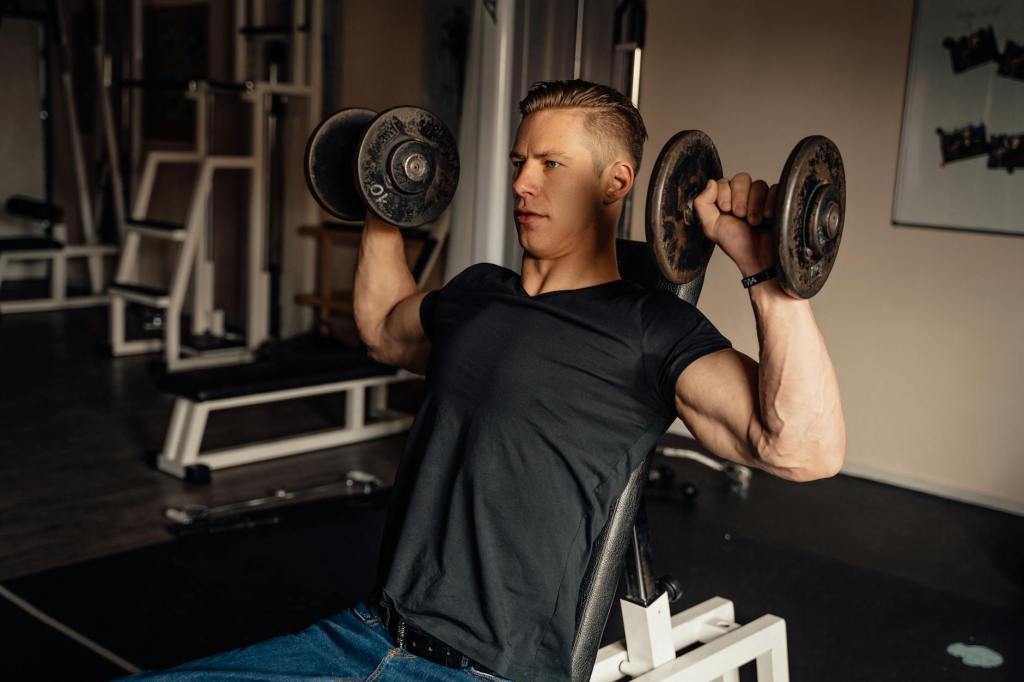
This a great compliment to rows. This trains your body to lift weight above your head. Most people find this exercise harder than rows because you’re working against gravity. Use lighter weights than you would for rows if you need to.
Benefits:
- Strengthens your shoulders, triceps and stomach muscles.
- Improves your balance and coordination.
How to perform shoulder presses:
- You can perform this exercise stood up or seated. Find a space with plenty of room to move.
- Grab two equal weights. This could be small dumbbells, full water bottles, or something similar.
- Hold the weights level with your shoulders.
- Carefully lift the weights straight upwards.
- Bring the weights back down to shoulder level in a controlled manner.
- Do this for 2 sets of 8 reps.
If you start to struggle to lift the weights, stop. You don’t want to risk dropping them and giving yourself a head injury.
After practising shoulder presses for a while, you’ll be able to do more reps or lift heavier weights.
7. Twists
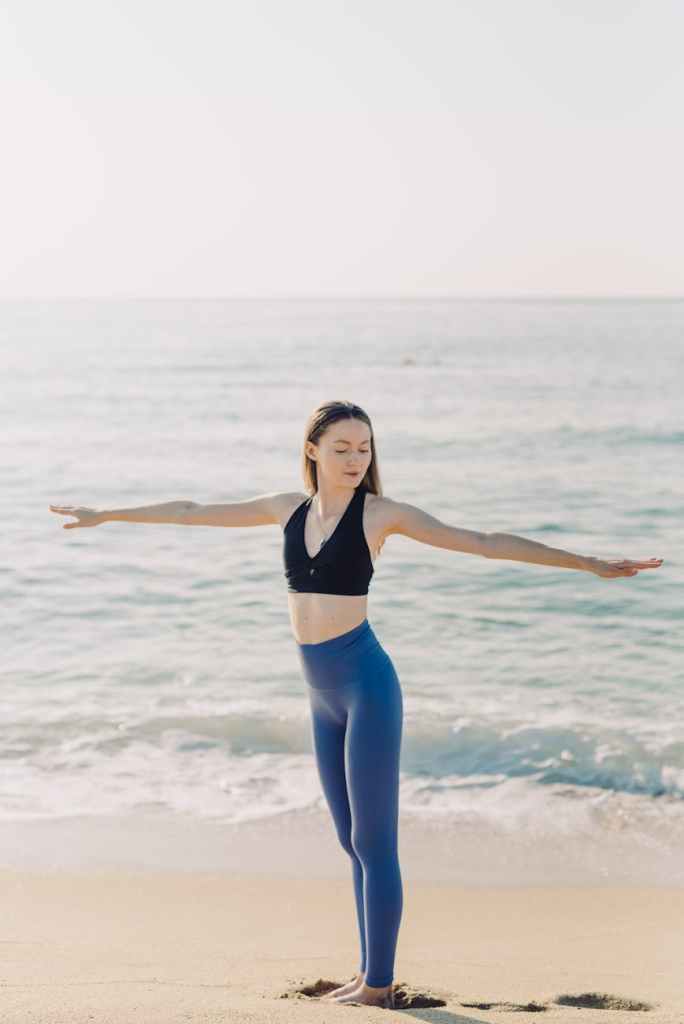
This exercise is lower on my list because it isn’t as beneficial as the others. It’s better than sitting still though. Anything is! This one’s good for flexibility.
It’s an easy one to learn, so that’s why I still recommend it. Use this one as a compliment to your routine.
Benefits:
- Strengthens your stomach muscles.
- Improves flexibility.
- Improves balance and coordination.
How to perform twists:
- Stand with your legs shoulder width apart.
- Hold your hands together.
- Keep your knees soft and pull your stomach in.
- Keeping your lower body still and head facing forwards, twist your upper body from side to side.
- One rep is counted as twisting from one side to the other.
- Do this for 2 sets of 8 reps.
Eventually, you should feel more flexible and be able to increase your reps.
8. Curl ups
This is the beginner version of a sit up. Sit ups and curl ups are a bit overrated: they’re an isolated exercise, pretty much only working on your core. You’ll hardly burn any fat with this one.
You’d need to do hundreds of sit ups or curl ups to see the same benefits as full body exercises. It’s not worth your time in that sense.
However, a strong core is good for your balance. And any movement is better than none! There’s nothing wrong with doing exercises that target specific muscle groups, just make sure to do full body exercises too. Use this one as a compliment to your routine.
Benefits:
- Strengthens your stomach and neck muscles.
- Improves your balance and coordination.
How to perform curl ups:
- Lie down on a flat surface with plenty of room around you.
- Place your feet flat on the ground with your knees pointing to the ceiling.
- Rest your hands on your thighs.
- Pull in your stomach.
- Lift your upper body, sliding your hands up towards your knees and looking through your legs.
- Lower yourself gently back down.
- Do this for 2 sets of 8 reps.
After some time, you’ll be able to do more reps.
Conclusion
We don’t need to spend hours in the gym or have fancy equipment to make a difference to our health. Just setting aside some time in your week is fine – you’ve got to find what works for you.
Good luck on your fitness journey!
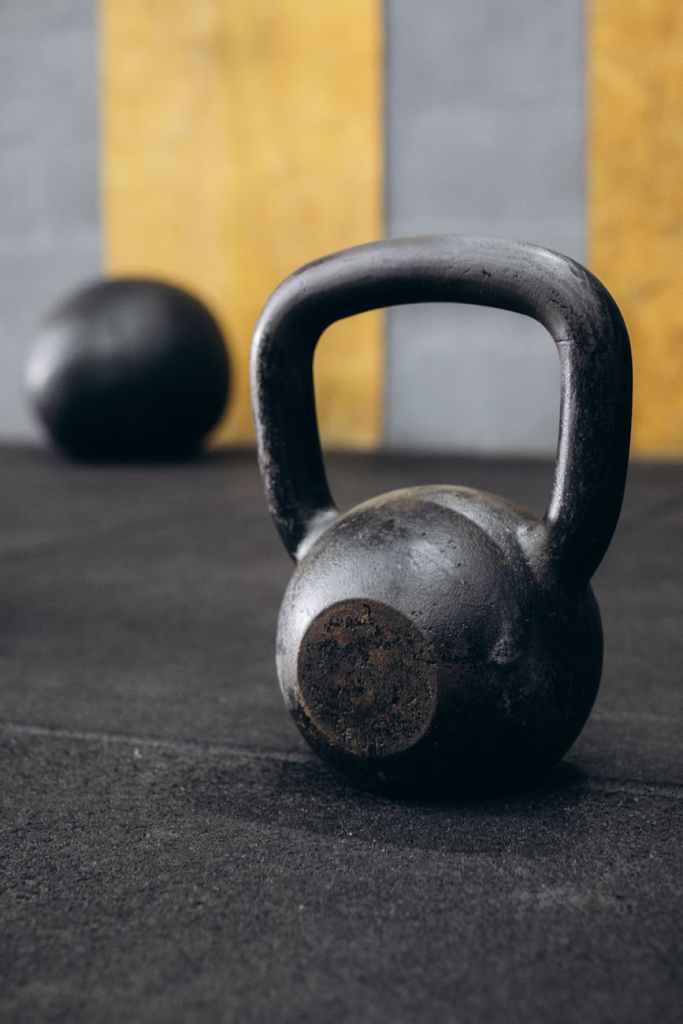
If you’d like help creating your own routine, contact Errol Patten for advice.
Thank you to the photographers and Pexels.com for the lovely photos!
 Errol Patten PT