There’s a lot of conflicting diet advice out there, so I’ve narrowed it down to some universal rules.
Authors: Jay Patten and Errol Patten
Introduction
We all grew up with the Eat Well Plate: eat mostly greens and carbs, then some protein and dairy, then finally small amounts of fatty foods. But reality is a bit more complex than that.
What if we have an intolerance or allergy? What about salt and sugar? How can we assess if food is healthy or not?
This guide will go into more depth on healthy diets, while sticking to a few simple rules.
Intolerances and Allergies
Before going over my rules, I’ll take the time to explain intolerances and allergies. It’s important to know the difference between the two and to avoid foods that trigger these symptoms for you.
Key terms:
Intolerance – Your body struggles to digest a certain food. This could lead to stomach aches, bloating, bad gas and other symptoms. Often you can get away with eating a bit of the food you’re intolerant to, or take enzyme pills before a meal to help digestion.
Allergy – Your body has an immune response to a certain food. This could lead to swelling of the throat, difficulty breathing and/or itchy red skin. You shouldn’t eat foods you’re allergic to; allergies can worsen with time and trigger life-threatening anaphylaxis. Speak to your GP for allergy advice.
Lactose intolerance – Caused by food containing the sugar lactose, which is mainly found in dairy products. Symptoms include stomach aches, bloating and bad gas. This is different to a dairy allergy which causes an immune response.
Gluten intolerance – Caused by food containing the protein gluten, which is mainly found in grain products. Symptoms are similar to lactose intolerance. This is different to coeliac disease, which presents similar, but has an immune response. If you’ve been struggling with foods such as bread and pasta, speak to your GP.
Gut flora – These are microbes such as harmless bacteria that live in our digestive system. They help us digest our food and absorb more nutrients than we could on our own. They’re essential for us to survive, so treat them well with a balanced diet.
Gluten and lactose intolerance are common conditions that a lot of us have to work around. But where do they come from?
Intolerances can be explained through our history as a species. Around 500,000 – 1 million years ago years ago, the first modern humans had diets entirely made up of plants and animal proteins. We only started farming around 12,000 years ago, which isn’t enough time for us to have fully adapted to new grain- and dairy-based foods. That’s why intolerances are a thing, not all of us have the new genes and or the right gut flora to help digest gluten and lactose.
For more information on our journey as a species, read my other article: What Our Ancestors Can Teach Us About Exercise.
Some of us are lucky enough to have no intolerances or allergies. These people have inherited genes that code for digestive enzymes that can break down these foods properly. They’ve also got immune systems that don’t raise red flags when harmless substances are present.
People with intolerances or allergies need to manage their diets more carefully to avoid triggering them. They need to pay closer attention to labels and menus for their safety. It makes eating out and shopping more difficult.
Throughout the guide, alternatives will be offered for common intolerances and allergies.
10 Simple Rules for Eating Healthy
- 1. Respect your individual needs.
- 2. Try to eat minimally processed foods.
- 3. Eat at least 5 greens a day, more veg than fruit.
- 4. Eat plenty of carbs for energy.
- 5. Eat the right amount of protein for your body.
- 6. Dairy is optional, but a good source of protein and calcium.
- 7. Drink plenty of water
- 8. Eat a healthy amount of fat, sugar and salt.
- 9. Avoid too much acidic food and drink.
- 10. Prep your own food for more control over your diet.
1. Respect your individual needs.
This is the most important rule. We’re all different, so we can’t be expected to need the same amounts of food to be healthy.
An elderly lady won’t need the same protein intake as a male bodybuilder. And a young boy doesn’t need the same calorie intake as an adult woman. It’d be silly to give them all the same diet and expect them to thrive.
These differences are based on:
- Age.
- Sex.
- Exercise.
- Body type.
- Lifestyle.
- and medical conditions.

We’re not static beings either. Our diets tend to shift as we grow and change. If you develop a new medical condition, respect the dietary requirements. You’ve got to look after yourself to feel your best.
2. Try to eat minimally processed foods.
The less processed food is, the better. Heavily processed foods tend to be less nutritious and harder to digest. It’s best to avoid eating them.
There’s several easy ways to assess how processed food is:
- The closer it looks to the raw, natural ingredients, the better.
- Was it homemade or factory-made? Homemade tends to be healthier (unless if the cook used an unhealthy recipe).
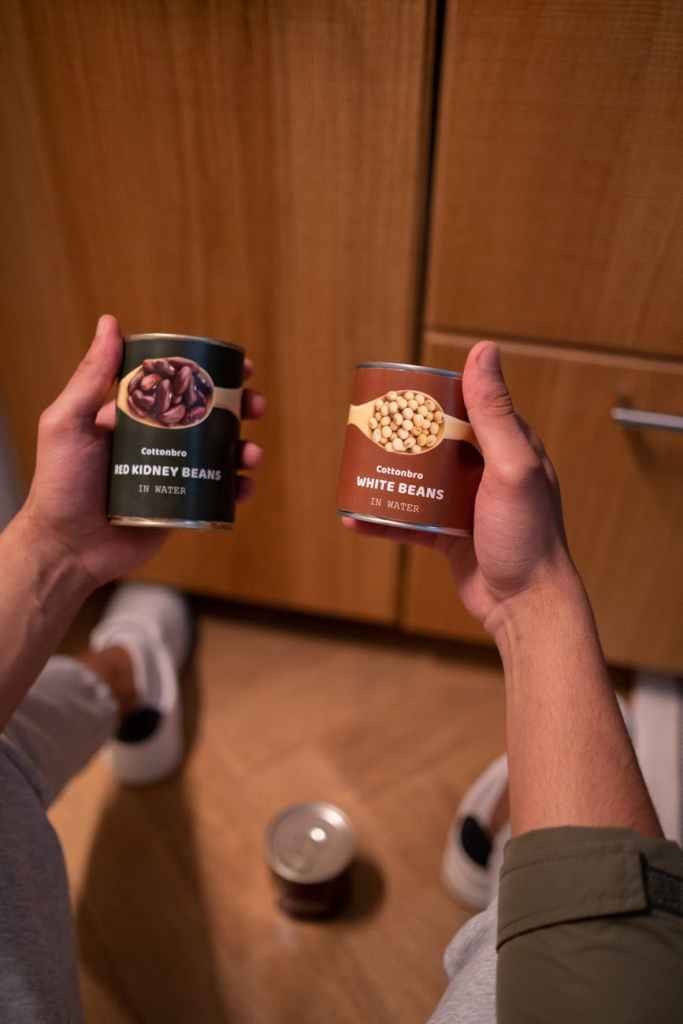
- Read the ingredient list – the longer the list, the more processed it is.
- Read the ingredient names – if the names are long, hard to pronounce or unfamiliar, that means there’s more preservatives in it. More preservatives are less healthy.
- How long does it take to go off? If even bacteria don’t want it, you should be concerned. It’s normal for dry, high salt and high sugar foods to last long. However, if it isn’t a simple long-lasting ingredient, it’s probably unhealthy.
Now that you know how to gauge how healthy food is, the next rules should be easier to follow.
3. Eat at least 5 greens a day, more veg than fruit.
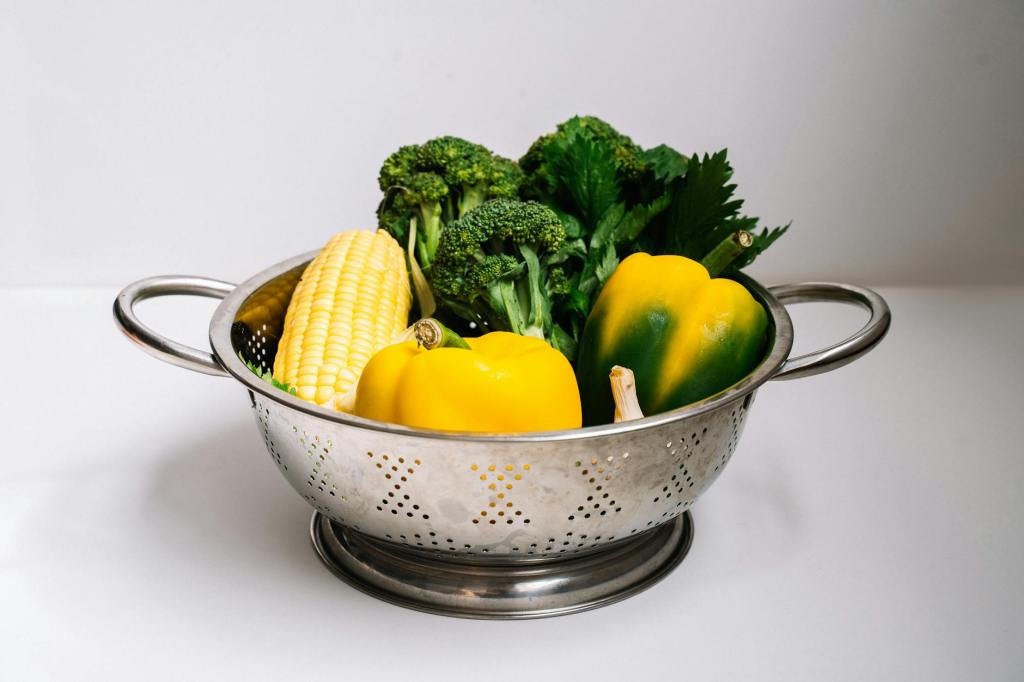
Fruit and veg provide us with plenty of vitamins and minerals that are vital for our health. Sources of carbs and proteins can’t compete in that sense. You need to eat a variety to get all the nutrients you need.
Fruit is a good source of natural sugars, which are healthier than processed sugary foods. Vegetables are lower in sugar though, so it’s better to eat more of them instead.
I recommend 3 portions of veg and 2 portions of fruit a day.
Mix up your greens in your meals to meet your 5 a day. Smoothies make a good healthy drink. Homemade smoothies are more nutritious if you exclusively use fruit, veg and water, without straining out the pulp.
Pure fruit juice from concentrate is a decent source of greens, but it tends to be sugary. Freshly squeezed juice is better, but it’s pricey to buy or make.
If you’ve been feeling lethargic recently, it may be a vitamin or mineral deficiency. Check how much greens you’ve been eating, you may see an improvement if you eat more of them. If problems persist, speak to your GP for advice.
4. Eat plenty of carbs for energy.

Carbohydrates are one of the best sources of energy. Starch is broken down into glucose, which our body can use as a quick energy source.
It’s best to have a source of carbohydrates in every meal. This stops your blood sugar levels dropping, which can make you tired and unfocused. Be sure to check packaging for portion sizes.
Good sources of carbs are bread, cereal, pasta, rice and potatoes. Rice and potatoes are safe gluten-free options, or you can buy food made with gluten-free flour. Wholemeal cereal, brown bread and brown rice are healthier.
If you’re diabetic, you should monitor your glucose levels closely and ensure you eat the right amount of carbs. Speak to your GP for more advice; advice differs between type 1 and type 2 diabetes.
5. Eat the right amount of protein for your body.
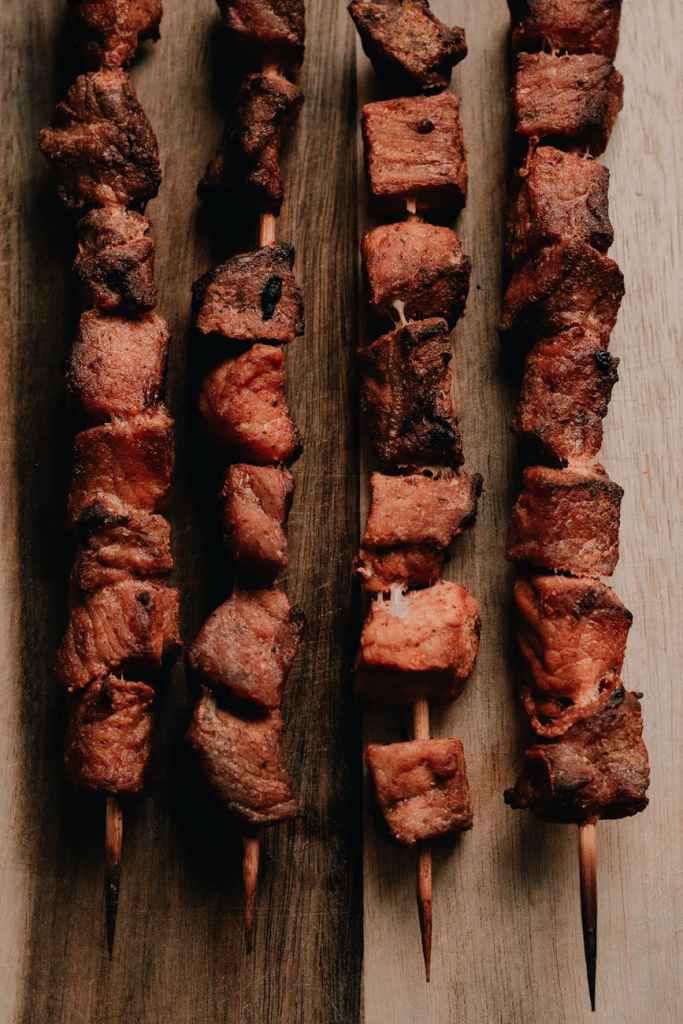
The amount of protein you need is based on several factors:
- Your weight – the heavier you are, the more protein you need.
- How active you are – more active means more protein.
- If you’re weight lifting and building muscle – more lifting means more protein.
- You’re unwell or recovering from illness – you need more protein to aid recovery.
- You’re recovering from surgery – you also need more protein to recover.
A simple formula for a rough estimate is 0.8-1g per kg of body weight. So for someone who weighs 65kg, they need around 52-65g of protein a day.
65 x 0.8g = 52g
65 x 1g = 65g.
For highly active people, their recommended intake can be as high as 2g per kg of body weight. Double the average recommended intake! Use this calculator to get a rough idea of what’s right for you. Ask your GP for a more accurate number.
Some good sources of protein include chicken, turkey, lean beef, tuna and white fish. Always check the fat content of meat, white meat such as poultry and fish tends to be healthier than red meat such as beef and lamb. Of course you can have red meat once in a while!
Other non-meat options include eggs, milk, beans, nuts and soy-based products such as tofu. If you’re a vegetarian or vegan, you must take extra care to meet your protein requirements.
6. Dairy is optional, but a good source of protein and calcium.

Dairy products such as milk, butter, cheese and yogurt are one of the best sources of calcium. Calcium is essential for strong bones. It’s also a decent source of protein.
However, most of the fat in dairy is saturated fat. High consumption of saturated fat can lead you to becoming overweight and raise your cholesterol levels.
So, it’s best to stick to small amounts of dairy. That way, you can benefit from the calcium whilst avoiding the risks that come with saturated fats.
Lactose-free milk is safe to drink if you’re lactose intolerant. Semi-skimmed and skimmed milk are lower fat alternatives.
For dairy alternatives, calcium-fortified plant drinks such as soy milk, coconut milk and oat milk are a good replacement.
7. Drink plenty of water.

A lot of us are guilty for not drinking enough. We’re made up of around 60-70% water, so it’s easy to see why that’s a problem.
Water allows blood to transport nutrients and oxygen around the body, and for our cells to work. Without it, we only survive 3 days. We perish even sooner in hot or dry environments.
A headache is one of the most obvious signs of dehydration. The moment you have a headache, ask yourself when you last drank something. Other symptoms are a dry mouth, feeling tired, feeling dizzy or light-headed, or dark and concentrated urine. If you experience any of these, go grab a drink straightaway.
The government recommends that we drink 6 – 8 cups a day. It’s important to bring a water bottle with you wherever you go, especially at work and the gym.
If you don’t feel like a glass of plain water, there’s many decent alternatives for staying hydrated:
- Flavoured water.
- Smoothies.
- Pure fruit juice.
- Squash.
- Milk.
- Plant-based milk.
- Sports drinks.
Yet, you should limit your daily intake of these drinks, due to high sugar in fruit-based drinks and fat in milk.
If you’ve been excessively thirsty despite drinking plenty, it could be a sign of diabetes. Because you body can’t store glucose properly, your body wants to drink more to help dilute your blood. This lowers glucose levels back to normal. Speak to your GP if you’re experiencing this.
8. Eat a healthy amount of fat, sugar and salt.

It’s nearly impossible to swear off treats. And you don’t need to if you only have them occasionally. The reason why we’re so tempted by unhealthy food can yet again be explained by our ancestors.
Sugar, salt and fat were rare in prehistoric times, so we’ve evolved to crave it. And that’s for a good reason – small amounts are actually beneficial:
- Sugar is an instant energy source, and small amounts helps us absorb water.
- Salt helps with our brain and muscle function, and also helps maintain proper hydration alongside sugar.
- And fat is a long-term form of energy storage, forms a protective cushion around our vital organs, and helps us stay warm.
On the other hand, us modern humans have overdone it. A lot of us consume way too much sugar, salt and fat.
We haven’t adapted to the new abundance and we don’t always have the willpower to hold back. Despite everything, knowing the consequences of overconsumption can help drive us in the right direction.
Excess sugar is stored as fat and excess fat contributes to high cholesterol and weight gain.
High cholesterol levels in the blood can block up your blood vessels. This puts you at risk of heart attacks and strokes, where not enough blood is able to reach your heart or brain respectively.
Additionally, excessive weight gain can lead to obesity, which puts you at risk of other problems such as type 2 diabetes, higher chances of cancer and mental health issues such as depression.
Excess salt can lead to dehydration and higher blood pressure too, putting excess stress on vital organs such as your heart and kidneys.
So please eat these kinds of food in moderation – it’s not worth the suffering later down the line.
9. Avoid too much acidic food and drink.
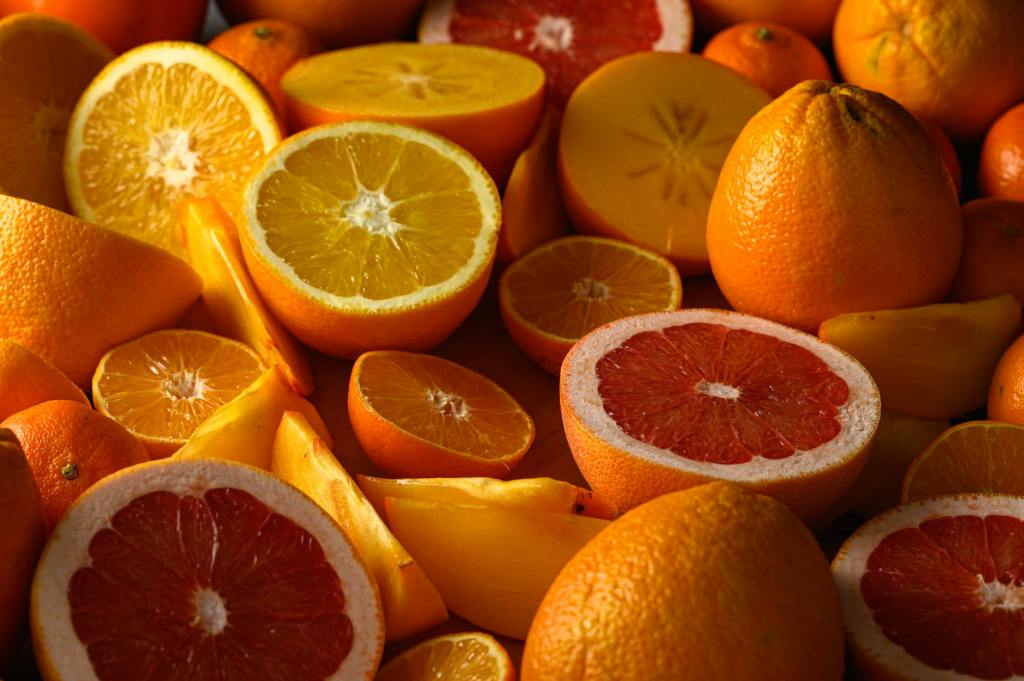
There’s a decent chance you like your citrus fruit or tomatoes. They’re a great source of vitamins, but they can bite back! This is in the form of acid. Acidic food and drinks are safe to consume, but too much can cause problems.
Excess can wear down your teeth and increase sensitivity in your mouth and gums. They can also temporarily make your stomach acid more acidic, which can cause heart burn.
Acidic food and drink include:
- Citrus fruit such as oranges, lemons, limes, and grapefruit.
- Other fruit, which is generally less acidic than citrus.
- Tomatoes.
- Fizzy drinks.
- Alcohol, especially wine.
- Vinegar.
- Anything high in sugar.
To reduce the strength of acid, you can drink some water to neutralise it. Don’t brush you teeth immediately after eating something acidic or sugary, otherwise you’re brushing it further into your teeth and gums. This can make tooth sensitivity worse, so wait at least 30 minutes first.
10. Prep your own food for more control over your diet.

Not only is cooking for yourself healthier, it often works out cheaper than buying ready-made meals, ordering in or eating out. You can tailor your food to your diet perfectly and your time and money management skills will improve.
If you’re busy, cook in batches and prep ahead. Freeze meals for a later date and use leftovers for quick and easy lunches!
Conclusion
Don’t expect to always maintain a perfect diet. Instead, make gradual positive changes and be honest with yourself when things don’t work out. Just make sure to stick to these rules to the best of your ability, and hopefully you’ll feel healthier and happier!
Want diet advice tailored specifically for you? Contact Errol Patten for help!
Sources:
- https://www.allergyuk.org/about-allergy/what-is-an-allergy/allergy-vs-intolerance/
- https://www.nhs.uk/conditions/anaphylaxis/
- https://www.nhs.uk/conditions/lactose-intolerance/
- https://www.bupa.co.uk/newsroom/ourviews/gluten-intolerant-or-coeliac
- https://www.nhm.ac.uk/discover/modern-humans-homo-sapiens-when-where-how-did-we-evolve.html
- https://education.nationalgeographic.org/resource/development-agriculture/
- https://www.diabetes.org.uk/living-with-diabetes/eating
- https://www.calculator.net/protein-calculator.html
- https://www.nhs.uk/live-well/eat-well/food-types/milk-and-dairy-nutrition/
- https://www.nhs.uk/conditions/dehydration/
- https://www.nhs.uk/live-well/eat-well/food-guidelines-and-food-labels/water-drinks-nutrition/
- https://www.iprohydrate.com/news/the-role-of-natural-sugar-in-hydration-drinks-explained/
- https://www.nhs.uk/live-well/eat-well/food-types/different-fats-nutrition/
- https://www.heartwest.com.au/high-sodium-levels-warning/
- https://www.dentalhealth.org/acidic-foods-and-drinks-what-you-need-to-know/
- https://www.hollandandbarrett.com/the-health-hub/food-drink/food/acidic-fruits/
Thank you to the photographers and Pexels.com for the lovely photos!
 Errol Patten PT