We’re all guilty of the occasional late night, but how bad is it for our health?
Author: Jay Patten
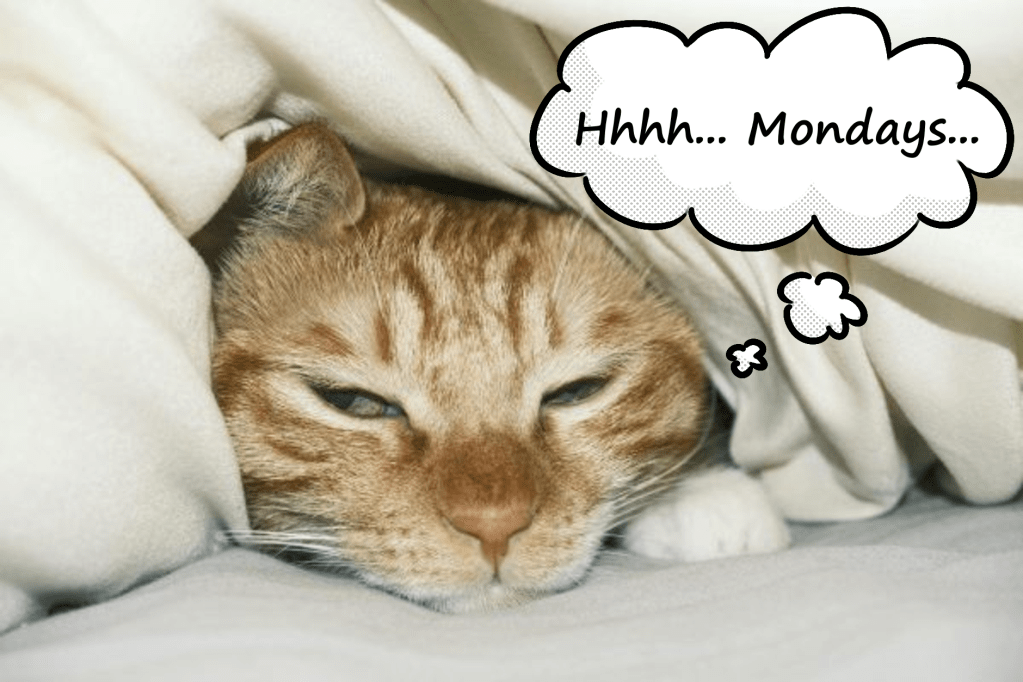
Maybe if Garfield went to bed on time, he wouldn’t be reluctant to get out of bed?
Introduction
NHS guidelines recommend that adults should aim for 7 to 9 hours of sleep. Any less than 7 hours, you’ll likely feel tired when you get up in the morning.
Younger people need more sleep. Babies and toddlers need around 12 to 17 hours. Children need 9 to 13 hours. Across the web these recommendations may vary, but the general rule is the older you get, the less sleep you need.
From my research into sleep statistics, as many as 50-75% of adults in the UK aren’t getting the recommended amount of sleep. That’s a lot of people not meeting a basic survival need, and there’s a good chance you’re one of them.
In this article, I’ll cover the benefits of a good night’s sleep and how to improve your overall sleep hygiene.
How poor sleep ruins your day

Missing sleep has an immediate affect on your mood, making you more irritable and less tolerant of stress. Many of us turn into wretched beasts when bedtime’s cut short. If you’re getting called out for being grumpy or snappy, it’s probably time to review your sleeping habits. That goes for feeling more tearful or impulsive too.
Tiredness makes it difficult to focus, remember, learn and solve problems. This leads to lower productivity at work and lower academic achievement. It also hinders your ability to decide – so never make any important decisions whilst exhausted!
A lot of us drive too; it’s dangerous to be tired behind the wheel. Even if you stay conscious, your reaction time is slower, increasing chances of an accident. Stay away from any other dangerous equipment too, such as heavy machinery or cooking implements. It’s not worth the potential injuries (and additional sleepless nights!).
Long-term sleep deprivation can lead to many unsavoury issues:
- An increased risk of mental health issues such as anxiety and depression.
- A slower metabolism, leading to potential weight gain, obesity and type 2 diabetes.
- A greater risk of getting infections.
- An increased risk of high blood pressure, high cholesterol, heart disease and stroke.
- Potential brain damage.
- An increased risk of dementia, Alzheimer’s and Parkinson’s.
- An increased sensitivity to pain.
- Hormonal irregularities, which can influence your eating habits, mood and health.
- And a lower life expectancy.
So, it’s never worth staying up late. Remember, sleep deprivation is an effective method of torture. Stop terrorising yourself!
What can I do to get a better night’s sleep?
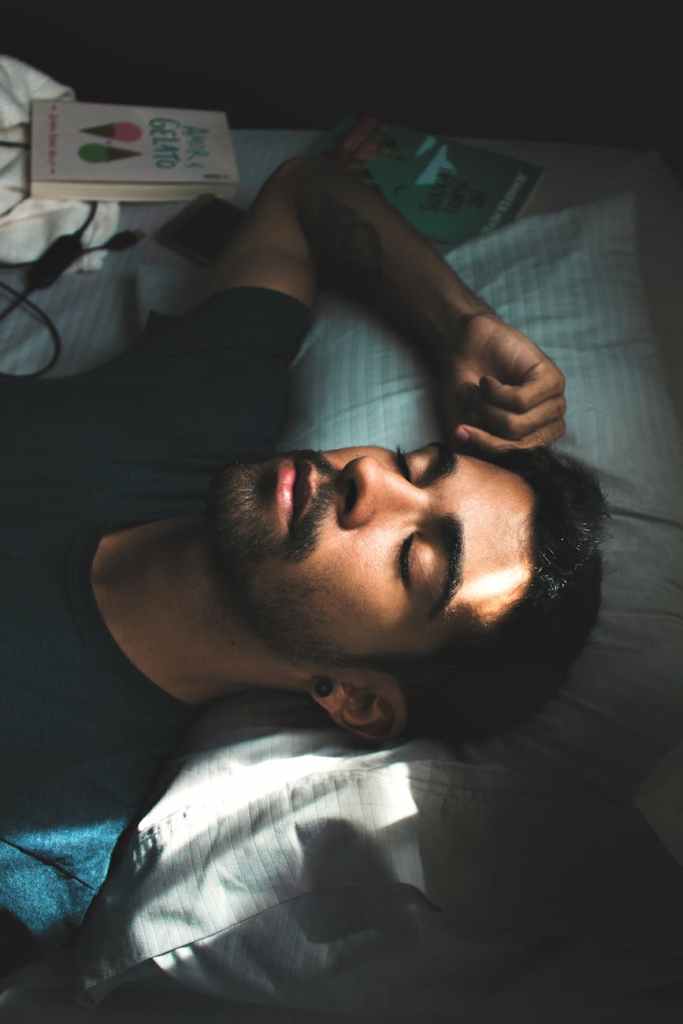
Modern life is incredibly stressful, and it leads us to stay up longer, intentionally or not. We have to put in the effort to carve out proper sleep time and not let work or leisure eat into it.
Here’s some advice on how to improve the quality of your sleep:
- Have a consistent bedtime and wake up time.
- Don’t sleep in after a poor night’s sleep or on a day off.
- If you’re sleep deprived, go to bed a bit earlier for a few days to make up for it.
- Don’t nap during the day.
- Exercise enough during the day. Without exercise, you’ll feel restless.
- Don’t exercise 4 hours before bed. You’ll feel too awake to sleep
- No technology an hour before bed. It’s a lot easier said than done, but it makes a huge difference! Social media, video games, TV and videos are designed to constantly engage you, which overstimulates your brain. This makes it hard to stop or fall asleep afterwards.
- Try not to work immediately before bed. Stress keeps you up.
- Don’t watch the time, it’ll make you anxious and keep you up.
- Don’t consume alcohol 6 hours before bed. Your body has to work harder to break down alcohol.
- Don’t consume any caffeine 6 hours before bed. This includes coffee, tea, hot chocolate and chocolate. In general, don’t consume caffeine in the afternoon or evening.
- Don’t smoke or vape 6 hours before bed. Nicotine is a stimulant which keeps you awake, like caffeine.
- Don’t eat a large meal late at night. Digestion keeps you awake.
- Keep your room cool, dark and quiet. An underwhelming environment is perfect for sleep.
- Make sure your bed is comfy. Replace uncomfortable mattresses, pillows and covers if they’re worn out.
- If you’ve got a lot on your plate, write a to-do list in the evening. Then you’re not trying to remember everything while you’re trying to sleep.
- Journal your thoughts and feelings before bed to process your emotions. Feeling strong emotions, positive or negative, keeps you awake. Writing on paper is preferable, so you’re not tempted by the internet which can easily excite, upset or anger you.
- Read before bed to relax and take your mind off of things.
- And speak to your GP if problems persist.
A lot of us are already aware of what we should be doing to get better sleep. But just because we already know, doesn’t mean we’ll put it into practice!
Reconsider your lifestyle and make compromises to improve your health; you’ll feel better later down the line. The start of changing habits is always the most challenging. Stubbornly stick to it.
If you stray back to old habits, remind yourself what you’re trying to avoid. Remember how good it feels to get a proper night’s sleep!
What common conditions make it difficult to sleep?
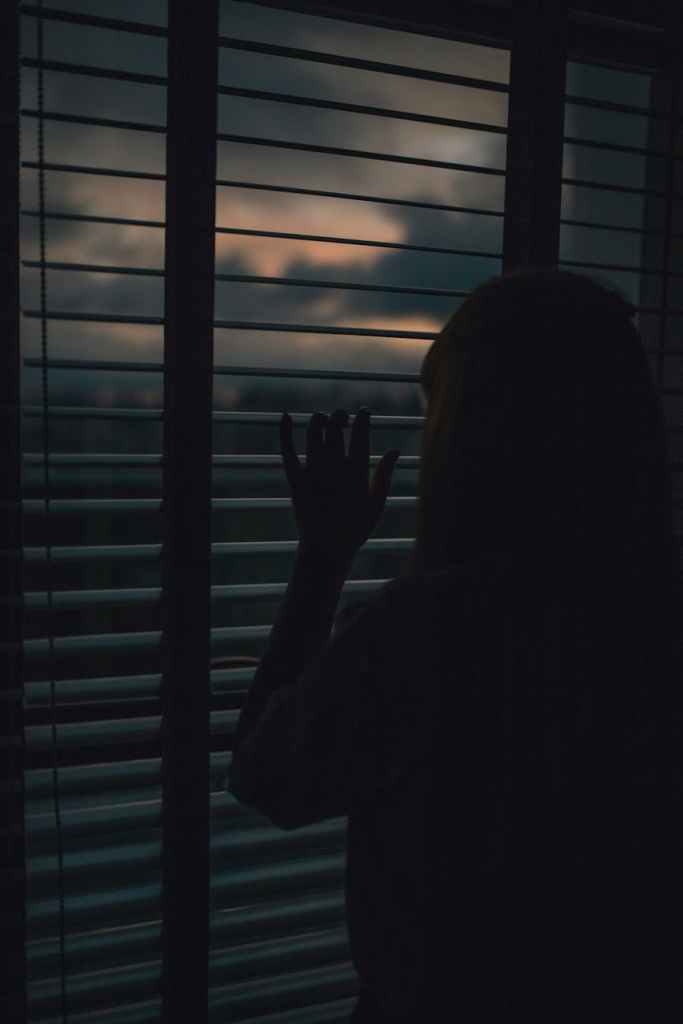
If you suffer from any health problems, mental or physical, getting a good night’s rest tends to be more challenging. The same goes for parents of young children.
Here are some conditions that make sleep difficult:
- Insomnia – you can’t sleep, even when you try your best. This is different to sleep deprivation when you don’t get enough sleep.
- Anxiety – anxious thoughts keep you awake, but being sleep deprived can also make you more susceptible to anxiety.
- Depression – negative thoughts and emotions can also keep you awake, but like anxiety, you’re more likely to develop depression if you don’t get adequate sleep.
- Sleep apnoea – your airways close up when you sleep, causing you to constantly wake up. Doctors can provide you with a device to keep your airways open at night.
- Allergies or illness – you can’t breathe properly and need to keep getting up for tissues.
- Pain – especially if you have chronic pain, it’s hard to sleep comfortably.
- Shift work – you have an inconsistent bedtime, leading to a disrupted circadian rhythm (your sleep-wake cycle). Ideally, you’d work more consistent hours.
If you’re experiencing any of these conditions, my general advice is to allow yourself more time to sleep and take medication as prescribed.
With any persistent problems, please speak to your GP.
Why do we need sleep in the first place?
Surely evolution would favour species that don’t need sleep? At face value, sleep seems useless. Why ever feel tired and be unconscious for hours at a time, leaving yourself defenseless?
Whilst we still don’t know why sleep exists, we know why we need it:
- Brain function – sleep allows your brain to reinforce neural pathways, leading to better memory and focus. Our brains remain surprisingly active whilst we sleep!
- Emotional processing – it’s believed that dreams are a form of emotional processing. In your imaginary world, you may be preparing for scenarios you may encounter or reflecting on memories. If you give yourself time to process your emotions during the day, your dreams tend to be less intense or frightening.
- Conserving and storing energy – you’re less active, letting cells such as your muscle cells replenish their reserves.
- Growth – children especially need more sleep because of construction work in their body overnight.
- Repair work – whilst asleep, your body’s immune system works harder and injuries heal at a faster rate. That’s why being ill or injured makes you feel tired and sleep more.
- Clean up – useless information is cleared from the brain and waste products are cleared up around the body.
Digestion and metabolism slow down and maintenance becomes prioritised. Without sleep, our brains may start to waste away, having a knock-on effect on the rest of the body.
Speculation on why sleep exists:
- The sleep schedules of animals tend to follow food availability and what light levels their eyes can see.
- Large prey animals, such as hoofed animals, tend to sleep less and take quick naps. They take turns with their peers, reducing the amount of time they’re vulnerable. They could be surviving on the bare-minimum they need to remain functional.
- Small prey animals, such as rodents, tend to sleep a lot more. They tend to come out at safer times of day to find food, when predators are less likely to be around. A lot of rodents are smarter than they seem, such as squirrels and rats. Perhaps all that sleep makes them clever for their size?
- Predatory animals, such as lions, bears and wolves, tend to sleep more. This is likely due to being less vulnerable, suffering more injuries and possessing larger brains to outsmart their prey.
- Small, short-lived creatures, such as insects, tend to barely sleep at all. Natural selection likely favours more urgent priorities such as avoiding predators and reproducing.
- We likely sleep at night due to our poor night vision. We’re also intelligent, social creatures, so sleeping for long hours could give our brains extra maintenance time. Because we don’t get into as many fights, like lions for example, we don’t sustain as many injuries. This could be why we don’t need as much sleep as them – our lives tend to be a lot more peaceful in comparison.
Sleep could be absolutely essential for survival or it could be favoured for the benefits it brings. Scientists are still doing their research but for now, sleep is hard-coded into us and we must respect that.
Conclusion
Is it past your bedtime? Go to sleep! And don’t you dare scroll social media or watch TV. That can all wait until tomorrow.
It’s time to treat yourself with a bit more care. Make today the day you take your health more seriously. Go put on some comfy pajamas and have a good night!
Looking for more ways to improve your health? Read this article on healthy eating!
Sources
- https://www.nhs.uk/conditions/insomnia/
- https://www.bupu.co.uk/newsroom/ourviews/how-much-sleep
- https://www.sleepfoundation.org/sleep-calculator
- https://mentalhealth-uk.org/help-and-information/sleep/
- https://www.hillarys.co.uk/static/sleep-statistics-2025/
- https://healthhero.com/blog/world-sleep-day-understanding-the-importance-of-sleep
- https://my.clevelandclinic.org/health/diseases/23970-sleep-deprivation
- https://sleepaction.org/learn-about-sleep/outcomes-poor-sleep/
- https://www.ninds.nih.gov/health-information/public-education/brain-basics/brain-basics-understanding-sleep
- https://sleepaction.org/learn-about-sleep/why-is-sleep-important/
- https://my.clevelandclinic.org/health/body/12148-sleep-basics
- https://www.bbc.co.uk/news/science-environment-32606341
- https://www.cbc.ca/documentaries/the-nature-of-things/a-not-at-all-exhaustive-list-of-how-and-how-much-animals-sleep-1.6367772
- https://pmc.ncbi.nlm.nih.gov/articles/PMC7120898/
Thank you to the photographers from Pexels.com for the lovely photos!
 Errol Patten PT